Your Comprehensive Guide to Dumpster Rental: Simplifying Your Cleanup Projects
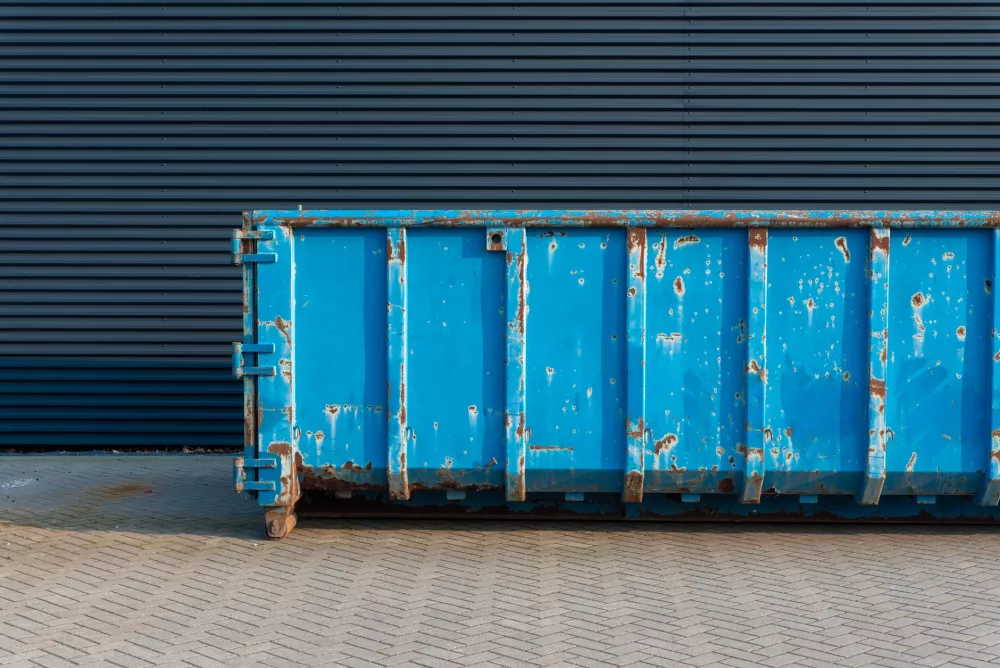
When you're facing a big cleanup, whether it's a home renovation, a landscaping overhaul, or just a massive decluttering project, you know that getting rid of all that junk can be a real headache. Trust me, I've been there! That's where dumpster rental comes into play, making what seems like an overwhelming task surprisingly manageable. I want to walk you through everything you need to know about renting a dumpster, so you can tackle your next project with confidence.
Why Even Consider a Dumpster Rental?
You might be thinking, "Can't I just use my regular trash cans?" or "I'll just make a few trips to the dump." And sure, for small jobs, that might work. But for anything substantial, you'll quickly realize that those options are often more time-consuming, more expensive in the long run, and way more physically demanding. I mean, who wants to spend their weekend making multiple trips to the landfill, dealing with gas costs, and potentially damaging their vehicle?
The Unsung Hero of Cleanouts
A rented dumpster is essentially a dedicated, temporary waste solution delivered right to your doorstep. It simplifies waste management for a variety of projects:
- Home Renovations: Tearing out old cabinets, drywall, or flooring creates a surprising amount of debris.
- Major Decluttering or Estate Cleanouts: When you're clearing out years of accumulated items, a dumpster is a lifesaver.
- Landscaping Projects: Dirt, branches, old fencing, concrete—these all add up quickly.
- Roofing Jobs: Old shingles are heavy and plentiful.
- Construction Sites: Obvious, but worth mentioning for builders and DIYers alike.
Using a dumpster means you have one central spot for all your waste, keeping your work area tidier and safer. It's a game-changer, honestly.
Choosing the Right Dumpster Size: It's All About Yards!
This is probably the most common question I hear. Dumpster sizes are measured in cubic yards, which refers to the volume of waste they can hold. Don't worry, you don't need to be a math whiz to figure this out, but a good estimate will save you money and hassle. Here's a breakdown of common sizes:
- 10-Yard Dumpster: These are pretty compact, often measuring around 12 feet long, 8 feet wide, and 3.5 feet high. I usually recommend these for smaller projects like a garage cleanout, a minor bathroom remodel, or removing about 250 square feet of deck material. They hold roughly 2-3 tons of waste.
- 20-Yard Dumpster: A popular choice, these are typically 22 feet long, 8 feet wide, and 4.5 feet high. This size is excellent for medium-sized projects, such as a major kitchen renovation, clearing out a large basement, or replacing a moderate-sized roof. You can expect to fit about 3-4 tons of debris in one of these.
- 30-Yard Dumpster: Getting serious now! These often measure 22 feet long, 8 feet wide, and 6 feet high. They're perfect for larger home additions, major construction, or commercial cleanouts. Think whole-house cleanouts for bigger properties or significant demolition work. These can hold 4-5 tons.
- 40-Yard Dumpster: The giants of the lineup, these are usually 22 feet long, 8 feet wide, and 8 feet high. If you're undertaking a complete home demolition, new home construction, or a large commercial project, this is your go-to. They can handle 5-6 tons, sometimes more depending on the material.
My best advice here? If you're on the fence between two sizes, always go for the slightly larger one. It's usually cheaper to get a bigger dumpster upfront than to rent a second smaller one because you underestimated.
The Rental Process: What to Expect
Renting a dumpster is generally straightforward, but knowing the steps helps. I'll outline the typical process:
- Get a Quote: Contact a few local rental companies. Be ready to tell them your project type, the estimated waste volume, and your desired rental period. They'll give you a price, which often includes delivery, pickup, a set weight limit, and the rental duration.
- Schedule Delivery: Once you've chosen a company, you'll arrange a delivery date. They'll need to know exactly where you want the dumpster placed.
- Prepare the Site: Make sure there's clear access for the delivery truck. If it's going on your driveway, you might consider placing plywood down to protect the surface, especially if it's new or delicate.
- Fill 'Er Up!: Load your waste into the dumpster. Be mindful of the fill line; overfilling can lead to extra charges or refusal of pickup. Distribute the weight as evenly as possible.
- Schedule Pickup: When you're done, call the company to schedule a pickup. It's that simple!
What Can and Can't Go In Your Dumpster?
This is a critical section, as putting prohibited items in a dumpster can lead to fines or extra charges. Generally, you can throw away most construction debris, household junk, yard waste, and non-hazardous materials. However, there are some definite no-nos. These include, but aren't limited to:
- Hazardous Materials: Paints, solvents, oils, chemicals, asbestos, batteries, medical waste. These require special disposal.
- Flammable Liquids: Gasoline, propane tanks. Big fire hazard!
- Tires: Often have a surcharge or are prohibited due to specific recycling requirements.
- Appliances with Refrigerants: Fridges, freezers, AC units. The refrigerants need to be removed properly.
- Electronics (E-waste): Computers, TVs, monitors. Many states have specific recycling laws for these.
- Mattresses: Sometimes allowed with an extra fee due to special disposal needs.
Always, and I mean always, confirm with your rental company about their specific list of prohibited items. It'll save you a lot of grief.
Permits and Placement: Where Will it Go?
Where you plan to put your dumpster matters. If it's going on your private property, like your driveway, you typically won't need a permit. Just make sure there's enough space for the dumpster and the delivery truck to maneuver safely. I like to measure my driveway beforehand to be sure.
However, if you need the dumpster to sit on a public street, sidewalk, or any other public right-of-way, you will almost certainly need a permit from your local municipality. The permit process varies by city, so it's best to check with your city's public works or sanitation department well in advance. Some dumpster companies can even help you navigate this process or obtain the permit for you, sometimes for a fee.
Understanding the Cost Factors
The cost of a dumpster rental isn't fixed; it varies based on several elements:
- Dumpster Size: Bigger dumpsters generally cost more, as you'd expect.
- Rental Period: Standard rentals usually include a 7-10 day period. If you need it longer, you'll likely incur daily overage fees.
- Weight Limit: Every rental comes with a weight allowance. Go over, and you'll pay per ton for the excess. This is a common hidden cost if you're not careful.
- Location: Prices can differ significantly between urban, suburban, and rural areas due to transportation costs and local disposal fees.
- Type of Waste: Some materials, like concrete or clean dirt, can be disposed of in a
About Editorial Team
Senior columnist and culture critic specializing in architectural designs, emerging high-growth systems, and contemporary philosophies.