The Art and Engineering of 'Skinning It': Customizing Digital Interfaces for Enhanced Experience
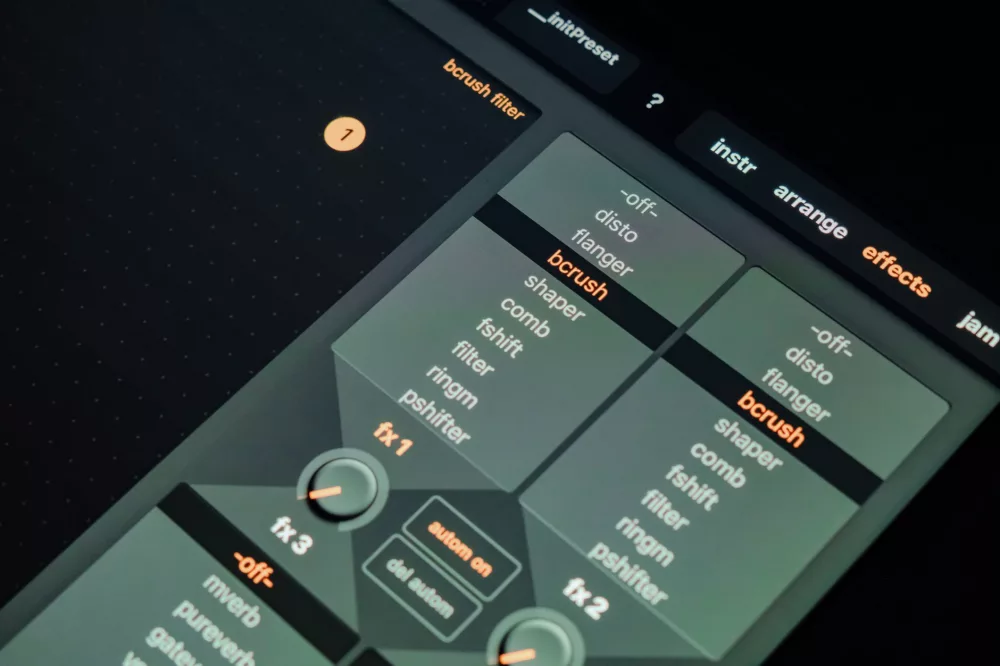
When we talk about 'skinning it' in the digital realm, we're not referring to anything remotely gruesome, thank goodness! Instead, we're diving deep into the fascinating world of user interface customization. It's about changing the look and feel of software, applications, or even operating systems to better suit individual preferences, brand identities, or specific functional needs. I've always found it remarkable how a simple change in color palette or font can completely transform my interaction with a digital tool. It really does make a difference, doesn't it?
Think about it for a moment: from the early days of desktop computers to today's intricate web applications and mobile apps, the desire to personalize our digital environment has been a constant. We don't just want software that works; we crave software that feels right. That's where the concept of 'skinning' truly shines. It allows users and developers alike to inject personality and purpose into an otherwise sterile, default interface. For me, it's a testament to our innate human need for expression, even in the most technical spaces.
The Genesis of Digital Personalization
Where did this whole idea come from? Well, if I recall correctly, some of the earliest and most memorable examples of 'skinning' emerged in the late 1990s and early 2000s. I vividly remember spending hours on Winamp, a media player that practically pioneered the concept of user-generated skins. Users could download thousands of different visual themes, completely altering the player's appearance from futuristic metallic designs to whimsical, cartoonish layouts. It was incredible! This wasn't just about changing a background image; it was about redesigning the entire interaction model's aesthetic.
Then came the desktop customization craze, with themes for Windows and Linux distributions that could radically transform the entire operating system's look. People spent countless hours meticulously crafting custom icons, cursors, sound schemes, and visual styles. It wasn't just a hobby for a niche group, I assure you. It was a widespread phenomenon, demonstrating a clear demand for greater control over one's digital habitat. This early era, for me, really cemented the importance of visual flexibility in software design.
“The most successful software isn’t just functional; it’s adaptable. It understands that 'one size fits all' rarely applies to user aesthetics or brand identity.”
Why Bother 'Skinning It'? The Undeniable Benefits
So, beyond simple aesthetics, what are the concrete advantages of implementing or utilizing 'skins'? There are quite a few, I'd say.
- Enhanced User Experience: This is a big one. A well-designed skin can drastically improve usability. Customizing color contrasts, font sizes, or button layouts can make an application more accessible for users with visual impairments, or simply more comfortable for extended use. You know, sometimes the default just isn't quite right for your eyes.
- Brand Consistency: For businesses, 'skinning' is absolutely crucial for maintaining a cohesive brand identity across all digital touchpoints. An application used by employees, for instance, should ideally reflect the company's branding, from logos to corporate colors. It reinforces professionalism and belonging. I've seen firsthand how much this matters for internal adoption.
- Personalization and Engagement: Giving users the power to customize their interface fosters a sense of ownership and personal connection. When users can tailor the environment to their liking, they're often more engaged and loyal to the product. It’s like decorating your own home – you feel more comfortable and invested.
- Differentiation in Competitive Markets: In a crowded software market, offering robust customization options can be a significant differentiator. It gives potential users another compelling reason to choose one product over another.
- Thematic Adaptability: Some applications might need different 'skins' for different contexts. Imagine a software used by both children and adults; distinct themes could cater to each demographic without needing entirely separate applications.
The Technical Side of Things
From an engineering perspective, how does one actually 'skin' software? It typically involves a careful separation of concerns between the application's core logic and its presentation layer. Many modern approaches leverage:
- Cascading Style Sheets (CSS): For web-based applications, CSS is the absolute king of styling. Developers can define multiple CSS files or use CSS variables to create different themes that can be swapped out dynamically. It's incredibly powerful and flexible.
- Theme Engines/Frameworks: Desktop applications and some complex web frameworks often employ dedicated theme engines. These are essentially systems designed to manage and apply various visual components and styles. Qt and GTK are prime examples in the desktop world, allowing for deep customization.
- API-driven Customization: Some sophisticated platforms offer APIs (Application Programming Interfaces) that allow third-party developers to create and distribute their own skins or themes. This is where you see vibrant communities spring up around customization, something I find truly exciting.
- Modular Design Principles: At its heart, effective skinning relies on a modular architecture where UI components are designed to accept different styling parameters without breaking the underlying functionality. This separation is key, I'm telling you.
Challenges and Considerations
While the benefits are clear, 'skinning' isn't without its hurdles. One significant challenge is maintaining consistency. If not managed properly, too many customization options can lead to a fragmented user experience, or worse, introduce bugs where custom themes interfere with functionality. Performance can also be an issue; poorly optimized skins, especially those with heavy graphical elements, can slow down an application. Then there's the ongoing maintenance. Every time the core application is updated, you've got to ensure the skins remain compatible. It's a balancing act, no doubt about it.
The Future Looks Customizable
As we look ahead, I anticipate 'skinning' will become even more sophisticated. We're already seeing the rise of AI-driven design tools that can suggest or even generate themes based on user preferences or brand guidelines. Dynamic interfaces that adapt their appearance based on time of day, user behavior, or environmental factors (like light conditions) are also on the horizon. The lines between 'skin' and 'core functionality' will likely blur, creating truly adaptive and intelligent user experiences. I honestly think we're just scratching the surface of what's possible.
Ultimately, 'skinning it' isn't just a superficial aesthetic choice; it's a fundamental aspect of creating adaptable, user-centric, and branded digital products. It empowers individuals and organizations to shape their digital world, ensuring that technology serves us in ways that are not only efficient but also visually engaging and personally resonant. And that, in my book, is a really important thing.
About Editorial Team
Senior columnist and culture critic specializing in architectural designs, emerging high-growth systems, and contemporary philosophies.