The Legal Battle: Understanding Jennifer Crumbley's Defense and Her Attorney's Strategy
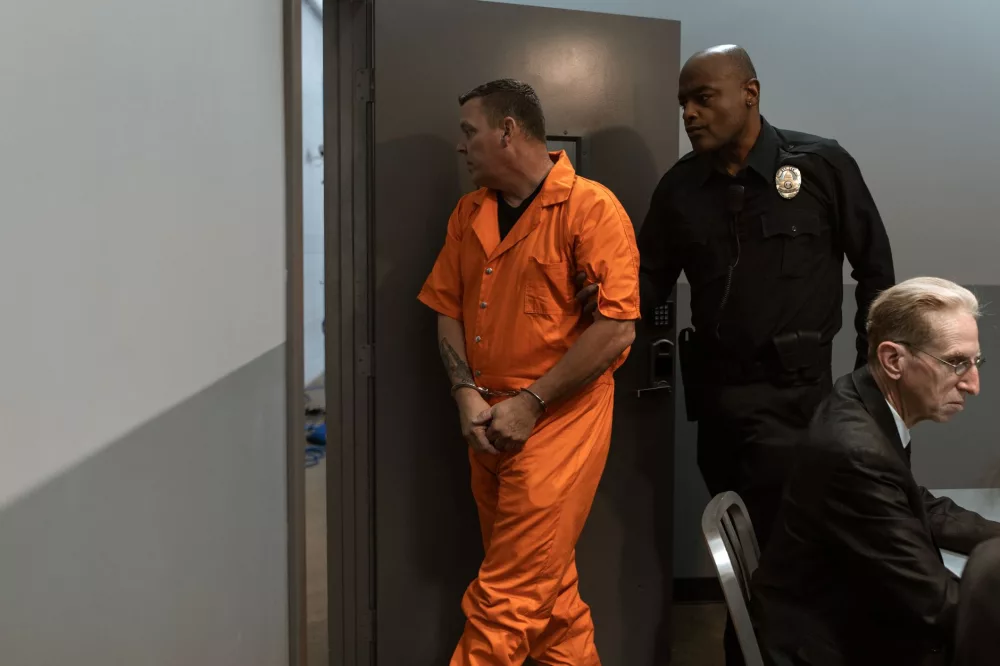
When we talk about the most significant legal cases in recent memory, Jennifer Crumbley's trial undoubtedly comes to mind. As the mother of the Oxford High School shooter, her situation was unique, unprecedented, and deeply unsettling for many. My aim here is to explore the complexities her legal team faced, focusing on the strategies and challenges her attorneys encountered throughout this groundbreaking involuntary manslaughter case.
The Unprecedented Charges Against Jennifer Crumbley
It's important to understand the gravity of the charges Jennifer Crumbley faced. She wasn't accused of pulling the trigger herself; she was charged with four counts of involuntary manslaughter. This meant the prosecution had to convince a jury that her actions, or inactions, directly contributed to the deaths of four students. This was a novel legal theory in Michigan for a parent in a school shooting case, making the defense's job incredibly difficult, you know?
Generally, involuntary manslaughter requires proving gross negligence or a reckless disregard for human life. The prosecution argued that as a parent, Jennifer Crumbley had a legal duty to intervene, particularly after being made aware of disturbing warning signs regarding her son's mental state and his access to a firearm. This placed her attorneys in a precarious position, grappling with public outrage, the emotional weight of the tragedy, and the uncharted legal waters.
Meet the Legal Team: Crafting a Defense Under Scrutiny
Jennifer Crumbley was primarily represented by Shannon Smith, a prominent defense attorney. Smith, known for her assertive style, took on the immense challenge of defending a client who, to many in the public, seemed clearly negligent. The defense wasn't just fighting legal arguments; they were battling a powerful narrative fueled by grief and a demand for accountability.
From the outset, I'd say the defense strategy centered on a few key pillars:
- Lack of knowledge: The argument that Jennifer Crumbley didn't truly know the extent of her son's mental health crisis or that he would commit such a horrific act. They contended she couldn't foresee the tragic outcome.
- Separation of actions: Emphasizing that it was her son, Ethan Crumbley, who committed the shooting, not her. Her attorneys consistently tried to decouple the parents' behavior from the shooter's actions.
- Reasonable parent standard: Arguing that her actions, while perhaps imperfect, fell within the realm of what a reasonable parent would do. This included providing therapy options and addressing school concerns, even if those efforts were perceived as insufficient by the prosecution.
- Blame distribution: Suggesting other entities, like the school, also shared responsibility for not acting decisively on warning signs.
These arguments were essential for painting a picture that might persuade a jury that her conduct, while potentially regrettable, did not rise to the level of criminal negligence. It wasn't an easy sell, I can tell you that.
Navigating the Trial: Evidence, Emotion, and Public Perception
The trial itself was a highly charged affair. The prosecution presented a compelling case, detailing multiple warning signs that Jennifer Crumbley allegedly overlooked. We saw evidence of alarming drawings, disturbing messages, and the infamous note from school counselors just hours before the shooting. Her attorney's task was to counter this narrative, often by trying to contextualize or downplay the significance of these events from Jennifer's perspective.
Key Moments and Defense Responses
One of the most damaging pieces of evidence against Jennifer Crumbley was arguably the meeting with school counselors on the morning of the shooting. During this meeting, school officials showed the Crumbleys a disturbing drawing by their son and urged them to seek immediate mental health help. The defense tried to argue that the school did not explicitly demand Ethan be removed from school that day, and that Jennifer, believing her son would be fine, returned to work. They suggested she wasn't given all the information or guidance needed to make a different decision.
Another significant challenge for the defense was the issue of gun storage. The prosecution highlighted that the firearm used in the shooting was purchased by James Crumbley, Ethan's father, and was not securely stored. The defense argued that Jennifer wasn't responsible for securing the weapon and that she believed it was appropriately stored. This distinction was crucial for her legal team, aiming to shift responsibility away from her personally.
Throughout the trial, Smith sought to humanize her client, portraying her as a mother struggling with a difficult child, not a malicious or grossly negligent individual. It was a tough sell, especially with the raw emotions surrounding the tragedy.
The Verdict and Its Far-Reaching Implications
After a trial that captivated the nation, the jury found Jennifer Crumbley guilty of all four counts of involuntary manslaughter. This verdict sent shockwaves through the legal community and society at large. For her attorneys, it represented the end of a strenuous battle, but also solidified the legal precedent they had been fighting against.
The guilty verdict for Jennifer Crumbley, and later for her husband James, establishes a significant benchmark for parental responsibility in the context of school shootings and gun violence. I think it clearly signals that in certain circumstances, parents can be held criminally accountable for their children's violent acts, particularly when warning signs are ignored and weapons are accessible. This case will undoubtedly influence future legal strategies, parental guidance, and perhaps even gun safety legislation across the country.
The work of Jennifer Crumbley's attorneys, though ultimately unsuccessful in securing an acquittal, sheds light on the immense difficulties of defending such a high-profile, emotionally charged case involving novel legal interpretations. It’s a stark reminder of the evolving nature of legal accountability in our complex society, and how our understanding of parental duties can shift in the face of unspeakable tragedy. This case, I believe, will be studied for years to come, dissecting every aspect of the prosecution's novel approach and the defense's determined, yet ultimately overcome, efforts.
About Editorial Team
Senior columnist and culture critic specializing in architectural designs, emerging high-growth systems, and contemporary philosophies.